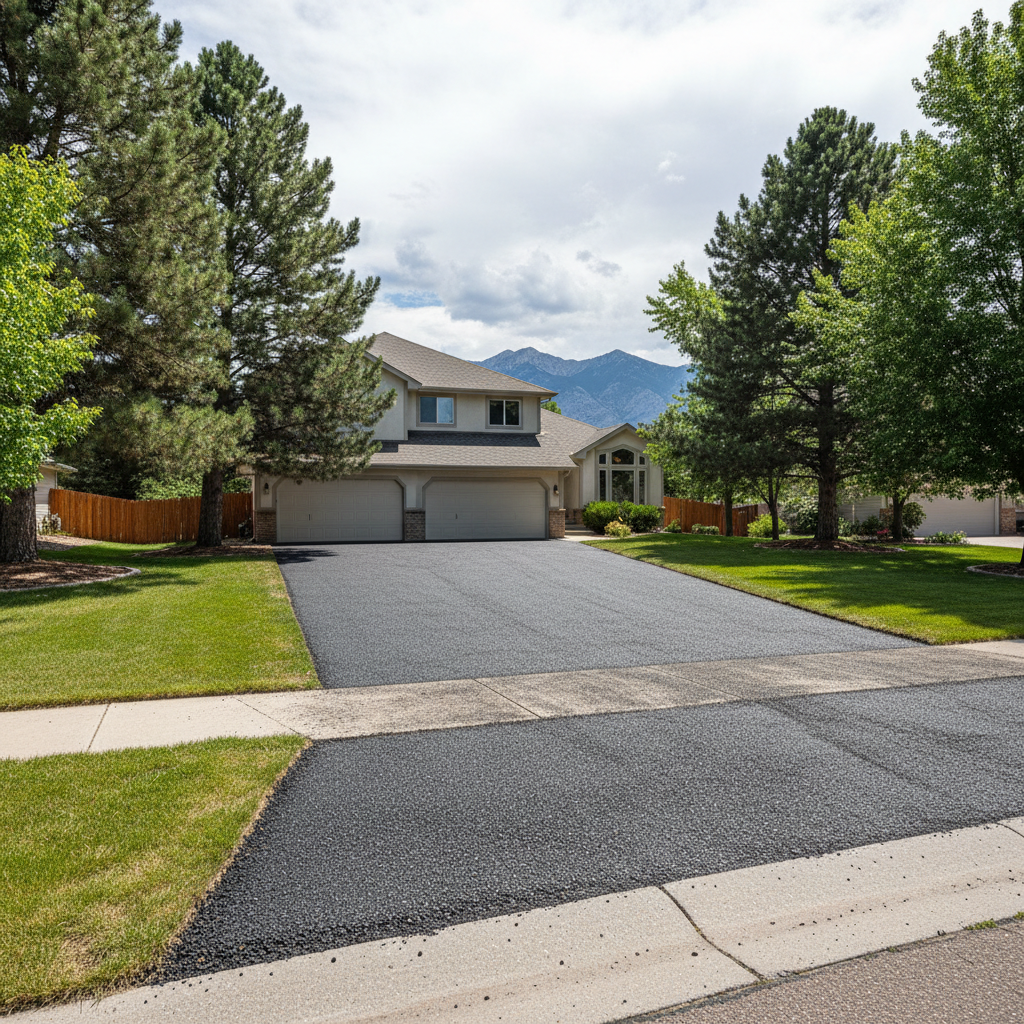
Alright, so you're looking at asphalt milling for your Broomfield home, maybe for a new driveway or an extended parking pad. That's a smart move. Milling is a great way to reuse existing material and get a solid, cost-effective base for your paving project. But like any home improvement, you'll want to go into it with your eyes wide open. Here's my take on planning your milling project.
What's the Timeline Look Like?
This isn't an overnight job, but it's not a months-long ordeal either. From your initial call to project completion, here’s a rough breakdown:
- Initial Contact & Quote: You call us, we come out, measure, and discuss your needs. This usually takes a few days to a week to get a solid quote back to you. We'll talk about the scope – are we just milling a driveway, or is it a larger area, maybe for a new shed foundation?
- Scheduling: Once you approve the quote, we'll get you on the schedule. This can vary a lot based on the time of year. Spring and fall are busy. Summer can be too, but sometimes there are more openings. You're usually looking at anywhere from two to six weeks out, maybe more if it's peak season.
- Permits (if needed): For most residential driveways, you probably won't need a permit for milling itself, but if you're doing major grading, changing drainage, or expanding significantly, it's worth checking with Broomfield's planning department. Your contractor should help you figure this out.
- Project Execution: The actual milling and prep work for a typical residential driveway? We can often get it done in a day or two. Larger areas might take a bit longer. Then, if you're paving right after, that's another day or two.
So, from start to finish, you're usually looking at a few weeks to a couple of months, depending on scheduling and project size.
What to Expect During the Process
When the crew shows up, here's what's going to happen:
- Arrival & Setup: Our team will arrive with the milling machine, dump trucks, and other equipment. We'll set up safety cones and mark off the work area.
- Milling: The milling machine will systematically grind down the existing asphalt surface. It's loud, and it creates a lot of dust, so be prepared for that. The machine collects the milled material, which is then loaded into dump trucks. This material, by the way, is what we call 'reclaimed asphalt pavement' or RAP, and it's super useful for other projects.
- Grading & Compaction: Once the milling is done, we'll grade the area to ensure proper drainage. This is crucial, especially with Broomfield's expansive clay soils; you don't want water sitting around. Then, we'll compact the milled surface with a roller. This makes it a stable, solid base for whatever comes next, whether it's a new asphalt overlay or just leaving the milled surface as a durable gravel-like driveway.
- Cleanup: We'll clean up the site, removing any debris and ensuring the area is tidy.
It's a pretty efficient process, but it's definitely a construction site for a day or two. Keep kids and pets away from the work zone.
How to Prepare Your Property
A little prep on your end makes things go a lot smoother:
- Clear the Area: Move any vehicles, trash cans, planters, or anything else from the driveway and surrounding work zone. If you have any decorative items or landscaping close to the edge, it's best to move them or protect them.
- Mark Sprinklers/Utilities: If you have any underground sprinkler heads, invisible dog fences, or shallow utility lines near the work area, mark them clearly with flags or paint. We'll do our best to avoid them, but knowing exactly where they are helps immensely.
- Inform Neighbors: Give your neighbors a heads-up about the work. It'll be noisy, and there will be heavy equipment. A little courtesy goes a long long way.
- Plan for Access: You won't be able to use your driveway during the work. Make sure you've parked your cars elsewhere and have a plan for coming and going.
Questions to Ask Before You Sign That Contract
Don't be shy about asking questions. A good contractor, like us at Thornton Paving Co, expects it.
- What's included in the price? Make sure the quote clearly breaks down everything: milling, hauling away materials, grading, compaction, and any necessary permits. Are there any potential extra costs?
- What's your experience with residential milling? You want someone who's done this before, specifically for homes.
- How do you handle drainage? This is critical in our area. Ask them to explain their plan for ensuring proper water runoff.
- What's your timeline for the project? Get a clear understanding of when they can start and how long they expect the milling phase to take.
- Do you carry insurance? They should have liability insurance and workers' comp. Ask for proof. Don't ever skip this.
- Can you provide references? Talk to other homeowners they've worked for.
- What's the cleanup process like? You want to know they'll leave your property tidy, not littered with debris.
- What happens to the milled material? It's good to know if they recycle it responsibly. We do, it's a big part of why milling is such a sustainable option.
By asking these questions and doing a bit of prep, you'll ensure your asphalt milling project goes smoothly. It's a solid investment in your property, and with the right planning, you'll be thrilled with the results.