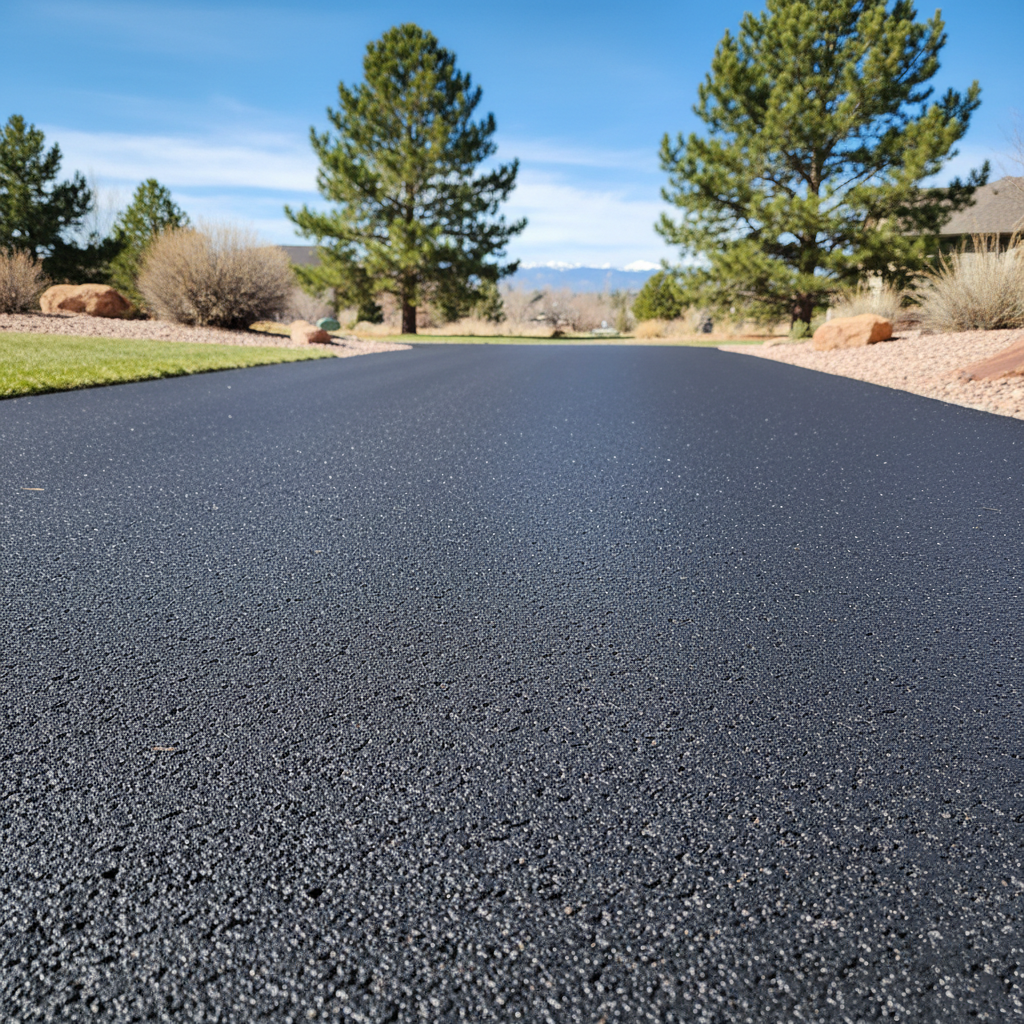
What's the real difference between asphalt and concrete for a driveway?
This is probably the most common question I get, and it's a good one because they’re both solid choices, but they’ve got different personalities. Asphalt, or blacktop as some folks call it, is flexible. That's a big deal here in Colorado with our freeze-thaw cycles. It can expand and contract without cracking as much as concrete might. It's also generally quicker to install and cure, so you can drive on it sooner. Maintenance usually means sealcoating every few years, which isn't a huge job. Concrete, on the other hand, is rigid. It’s strong, no doubt about it, and it can last a very long time if it's installed right and you take care of it. It looks different too, obviously, a lighter, more uniform appearance. But concrete is more prone to cracking from our shifting soils and temperature swings if it's not properly reinforced and jointed. Repairs can be trickier and more noticeable with concrete too; you often have to replace whole sections.
How long should a new driveway last in Broomfield's climate?
That depends a lot on the material and how well it's maintained. For a good quality asphalt driveway, properly installed by a company like Thornton Paving Co, you're looking at 15 to 25 years, easy. That's assuming you're doing your sealcoating every 2-4 years and not letting small cracks turn into big potholes. Concrete can go even longer, sometimes 25-40 years, but again, that's with proper installation, good sub-base prep, and addressing any issues quickly. Our intense sun, heavy snows, and those crazy temperature swings we get here in Broomfield can be tough on any surface, so ignoring maintenance is the fastest way to cut that lifespan in half.
What's involved in preparing the ground for a new driveway? Is it really that important?
Absolutely, it's critical. Think of it like building a house – you wouldn't skimp on the foundation, right? The sub-base is your driveway's foundation. For us, that usually means excavating the existing soil, especially if it's that clay-heavy stuff we often see around the Anthem Highlands area. Then we lay down and compact several inches of aggregate, like crushed rock. This layer provides drainage, prevents frost heave, and gives the asphalt or concrete a stable, load-bearing surface to sit on. If you skip this step, or do it poorly, you're setting yourself up for cracks, dips, and premature failure, no matter how good the top layer is. It's where a lot of less reputable contractors cut corners, and it always comes back to bite the homeowner.
My current driveway has some cracks and potholes. Can it be repaired, or do I need a full replacement?
That's a call we usually make after seeing it in person. Small, isolated cracks or potholes? We can often patch those up effectively, especially with asphalt. If the damage is widespread, though, or if you've got significant heaving, sinking, or alligator cracking (where it looks like a reptile's skin), then a full replacement or at least an overlay might be the better long-term solution. Patching a severely compromised driveway is like putting a band-aid on a broken leg – it might look okay for a bit, but the underlying problem is still there and will just get worse. We'll always give you an honest assessment of what makes the most sense for your budget and the driveway's overall condition.
How much does a new driveway cost? What factors influence the price?
Everyone wants to know this, and it's tough to give a number without seeing the job. Generally, asphalt is less expensive upfront than concrete. But here’s what drives the price: the size of your driveway, obviously; the material you choose; the amount of excavation and sub-base prep needed (like if we have to haul away a lot of old material or bring in extra fill); any drainage solutions required; and accessibility to the site. If you've got a tricky sloped driveway or limited access, that can add to labor costs. We always provide a detailed, transparent quote so you know exactly what you're paying for.
How long does it take to install a new driveway, and when can I drive on it?
Installation time varies. For a typical residential asphalt driveway, we can often get it done in a day or two, sometimes three if there's extensive prep work. You can usually drive on new asphalt within 24-72 hours, depending on the weather and how thick the new layer is. Concrete takes longer. The pour itself might be a day, but then it needs to cure. You're looking at 3-7 days before you can walk on it and usually at least 7 days, sometimes up to a month, before you can drive a vehicle on it. We'll give you specific instructions for your project, but patience is key with concrete to let it gain its full strength.
What kind of ongoing maintenance should I expect for my new driveway?
For asphalt, regular sealcoating is your best friend. I recommend every 2-4 years. It protects against UV rays, water penetration, and spills, extending the life of your driveway significantly. You also want to fill any small cracks as they appear. For concrete, keeping it clean and sealing it every few years can help, especially against stains and moisture. Both materials benefit from keeping heavy vehicles off them if possible, especially when new, and clearing snow carefully without gouging the surface with a shovel or plow. Good maintenance isn't just about making it look nice; it's about protecting your investment.