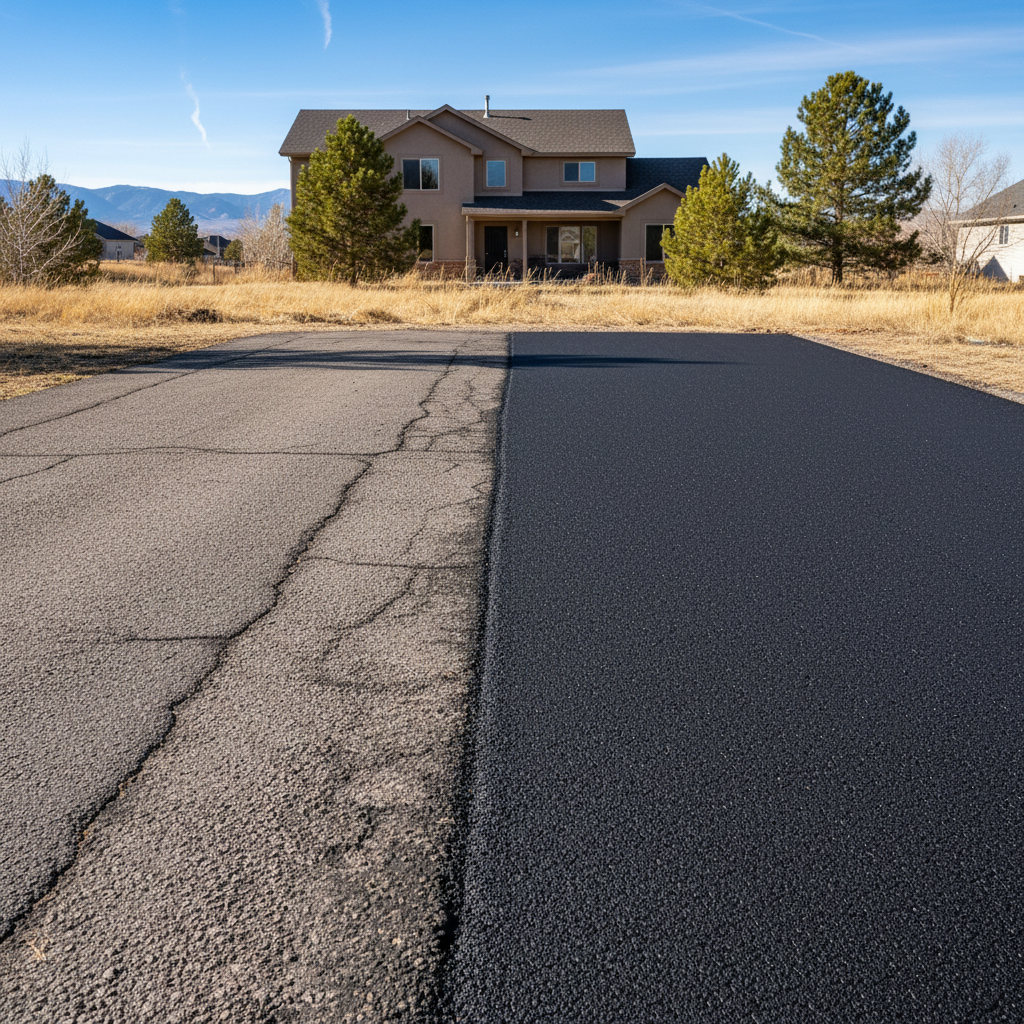
So, you're looking at your driveway and thinking it's time for a change. Maybe it's cracked, crumbling, or just looks plain tired. When it comes to asphalt, you've got a couple of main routes for repair or replacement, especially if you're considering milling. I'm talking about full-depth asphalt milling versus just milling for an overlay. For Broomfield homeowners, knowing the difference isn't just about jargon; it's about getting the right job done for your property and your wallet.
What's Asphalt Milling, Anyway?
First off, let's clear up what milling even is. Basically, it's like a giant planer for your driveway. We use a machine to grind up the existing asphalt surface. This process creates a fresh, level base for new asphalt. It's a fantastic way to recycle the old material, too, turning it into aggregate that can be reused in other projects. It's a pretty common practice, and it's often a better solution than just tearing everything out and starting from scratch, especially if the base underneath is still solid.
Full-Depth Asphalt Milling: The Complete Reset
When I talk about full-depth milling, I mean we're grinding down the *entire* existing asphalt layer, right down to the sub-base or whatever was originally underneath. This isn't just skimming the surface; we're taking it all off. Think of it as hitting the reset button on your driveway.
When You Need It:
- Severe Damage: If your driveway has deep, structural cracks, potholes that go all the way through, or significant heaving and sinking, especially common with our freeze-thaw cycles here in Colorado, a full-depth mill is often the only real fix. These issues usually mean the problem isn't just the top layer; it's the base underneath that's failed.
- Drainage Issues: If water is pooling in spots, or running towards your house instead of away, a full-depth mill allows us to re-grade the entire surface properly before laying new asphalt. This is crucial for preventing future water damage to your home's foundation.
- Complete Reconstruction: Sometimes, you just want a brand-new driveway, and you want to make sure the foundation is perfect. This gives us a clean slate to work with.
Pros:
- Maximum Durability: You're essentially building a new driveway from the ground up, so it's going to last a long, long time.
- Addresses Root Problems: It fixes underlying base issues, not just surface symptoms.
- Better Drainage: Allows for complete re-grading to ensure proper water runoff.
Cons:
- Higher Cost: More material removal, more labor, more new asphalt. It's a bigger job, so it costs more upfront.
- Longer Project Time: Naturally, taking everything out and putting it all back takes longer.
Milling for an Overlay: The Smart Refresh
Milling for an overlay, sometimes called 'cold planing' or 'surface milling,' is a different beast. Here, we're only grinding off the top inch or two of your existing asphalt. We're not going all the way down to the base. It's more like giving your driveway a really good shave before putting on a fresh coat.
When You Need It:
- Surface Cracks and Wear: If your driveway has a lot of spiderweb cracking, minor potholes, or just looks faded and worn out, but the underlying structure feels solid, an overlay is a great option.
- Good Base Condition: This is key. The existing asphalt and the base underneath need to be in pretty good shape. If you've got major dips or structural failures, an overlay will just mirror those problems over time.
- Maintaining Grade: If you have specific height requirements, like matching up to a garage floor or sidewalk, milling off a small amount allows us to put new asphalt down without raising the overall grade too much. This is a common concern in older Broomfield neighborhoods where original grades are already tight.
Pros:
- Lower Cost: Less material removed, less new asphalt needed. It's generally a more budget-friendly option.
- Faster Project: Because it's less intensive, we can get it done quicker.
- Recycles Material: Still allows for the old asphalt to be recycled.
Cons:
- Doesn't Fix Base Issues: If your base is failing, an overlay won't solve that. The problems will eventually show through the new surface.
- Shorter Lifespan (Potentially): While a good overlay can last a long time, it won't typically have the same longevity as a full-depth replacement if the underlying issues aren't perfectly sound.
So, Which One for Your Broomfield Home?
Honestly, it boils down to the condition of your existing driveway and your budget. Here's my take:
- If your driveway is a mess: I'm talking major potholes, big sections crumbling, significant water pooling, or deep, wide cracks that indicate a failing base – you're probably looking at full-depth milling. It's more expensive upfront, but it's the right long-term solution. Trying to cheap out with an overlay on a truly failing driveway is just throwing good money after bad. You'll be doing it again in a few years.
- If your driveway just looks tired: If it's got surface cracks, some minor wear and tear, but feels solid when you drive over it, and drainage is generally okay, an overlay after milling off the top layer is likely your best bet. It's a cost-effective way to get a fresh, smooth, and great-looking driveway that will last for years.
The best way to know for sure is to have someone like us, Thornton Paving Co, come out and take a look. We can assess the condition of your existing asphalt, check the base, and give you an honest recommendation based on what we see. We'll walk you through your options, explain the pros and cons for your specific situation, and give you a clear quote. Don't guess; get a professional opinion. It'll save you headaches and money in the long run.