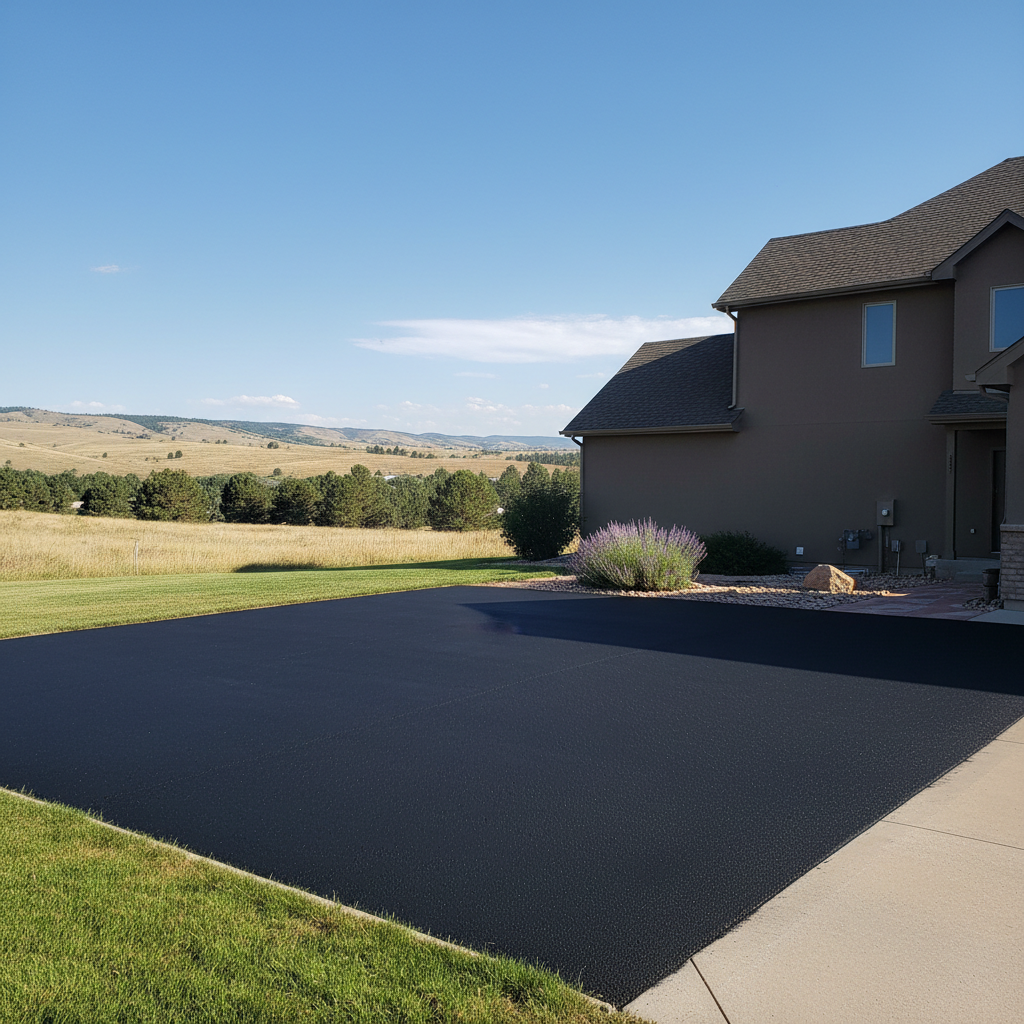
So, you just got your driveway or parking lot sealcoated. Good move. You've protected your asphalt from the sun, water, and those pesky oil drips. But sealcoating isn't a 'set it and forget it' kind of deal, especially here in Broomfield with our crazy weather patterns. You've got to give it a little love to make it last. I've seen too many folks neglect their freshly sealed surfaces, and then they're calling me back sooner than they should be.
Extending Your Sealcoat's Lifespan
The biggest thing you can do to extend the life of your sealcoat starts right after it's applied: give it time to cure. I tell all my clients at Thornton Paving Co. to stay off it for at least 24-48 hours, sometimes longer if it's humid or cooler out. You want that material to really bond and harden. Driving on it too soon is like walking on wet paint – you'll mess it up and compromise the protection.
Beyond that initial cure, think about what's hitting your asphalt. Tree sap, oil spills, chemical leaks from cars – these things eat away at sealcoat. Clean them up quickly. A little dish soap and water can go a long way if you catch it fast. Don't let puddles sit for days on end, either. While sealcoat helps repel water, constant standing water can still degrade it over time. Make sure your drainage is good around the edges of your asphalt.
Regular Maintenance: What You Need To Do
Regular maintenance for sealcoating isn't rocket science, but it is consistent. Here's what I recommend:
- Keep it clean: Sweep off loose dirt, leaves, and debris regularly. This prevents organic matter from breaking down on the surface and keeps abrasive grit from wearing down the sealcoat when you drive over it.
- Address spills immediately: Oil, gas, antifreeze – these are sealcoat killers. Blot them up, then clean the area with a mild detergent and rinse thoroughly. Don't scrub too hard, you don't want to abrade the surface.
- Watch for weeds: Weeds and grass can sprout through tiny cracks. Pull them out by hand or use a weed killer. If you let them grow, their roots can widen those cracks and cause bigger problems.
- Avoid heavy turning: Try not to turn your steering wheel while your vehicle is stationary on the asphalt. This 'power steering scuffing' can twist and tear the sealcoat, especially when it's new or if it's a hot day.
Here in Broomfield, especially in areas like Anthem Ranch where you have a mix of sun exposure and freeze-thaw cycles, that regular sweeping and quick spill cleanup is even more critical. Our dry air and intense sun can bake contaminants right into the surface if you're not careful.
Warning Signs of Trouble
You'll know when your sealcoat is starting to wear down. It won't happen overnight, but you'll see some clear indicators:
- Fading color: The rich black color will start to turn gray. This is often the first sign that the UV protection is diminishing.
- Loss of sheen: The slightly glossy or matte black finish will become dull and flat.
- Fine hairline cracks: These are different from the bigger cracks that need filling. These tiny, spiderweb-like cracks indicate the sealcoat itself is losing its flexibility and integrity.
- Pitting or raveling: Small pieces of aggregate (the little stones in the asphalt) might start to come loose, making the surface feel rougher. This means the binder in the asphalt, which the sealcoat protects, is starting to break down.
- Water absorption: If water isn't beading up and running off like it used to, but instead seems to soak into the surface, your sealcoat isn't doing its job anymore.
When to Call a Professional
Generally, I tell folks to plan on resealing every 2-4 years. That's a good average, but it really depends on traffic, sun exposure, and how well you've maintained it. If you're seeing those warning signs I just mentioned, especially widespread fading, small cracks, or water soaking in, it's probably time to call us at Thornton Paving Co. for an assessment.
Don't wait until you see large cracks or potholes forming. At that point, you're not just resealing; you're looking at more extensive and costly repairs like crack filling or even patching before you can seal. Catching it early keeps your asphalt looking good and, more importantly, protects your investment for the long haul. A little proactive care goes a long way in keeping your driveway in top shape against whatever our Colorado weather throws at it.